Verstehen Sie die Argumente.
Prüfen Sie die Belege.
Eigene Research zu Blockchain-Design, Governance, Verwahrung und den Anlagefragen, die sich daraus ergeben.
Ein Gespräch vereinbaren
Nehmen Sie Kontakt mit unserem Investmentteam auf, um zu besprechen, wie digitale Vermögenswerte Ihre Portfoliostrategie ergänzen könnten.
Beginnen Sie mit einer Frage.
46 Artikel

How I Learned to Stop Worrying and Love Solana
A reassessment of Solana: what changed, and why the investment thesis changed with it.
Analyse lesen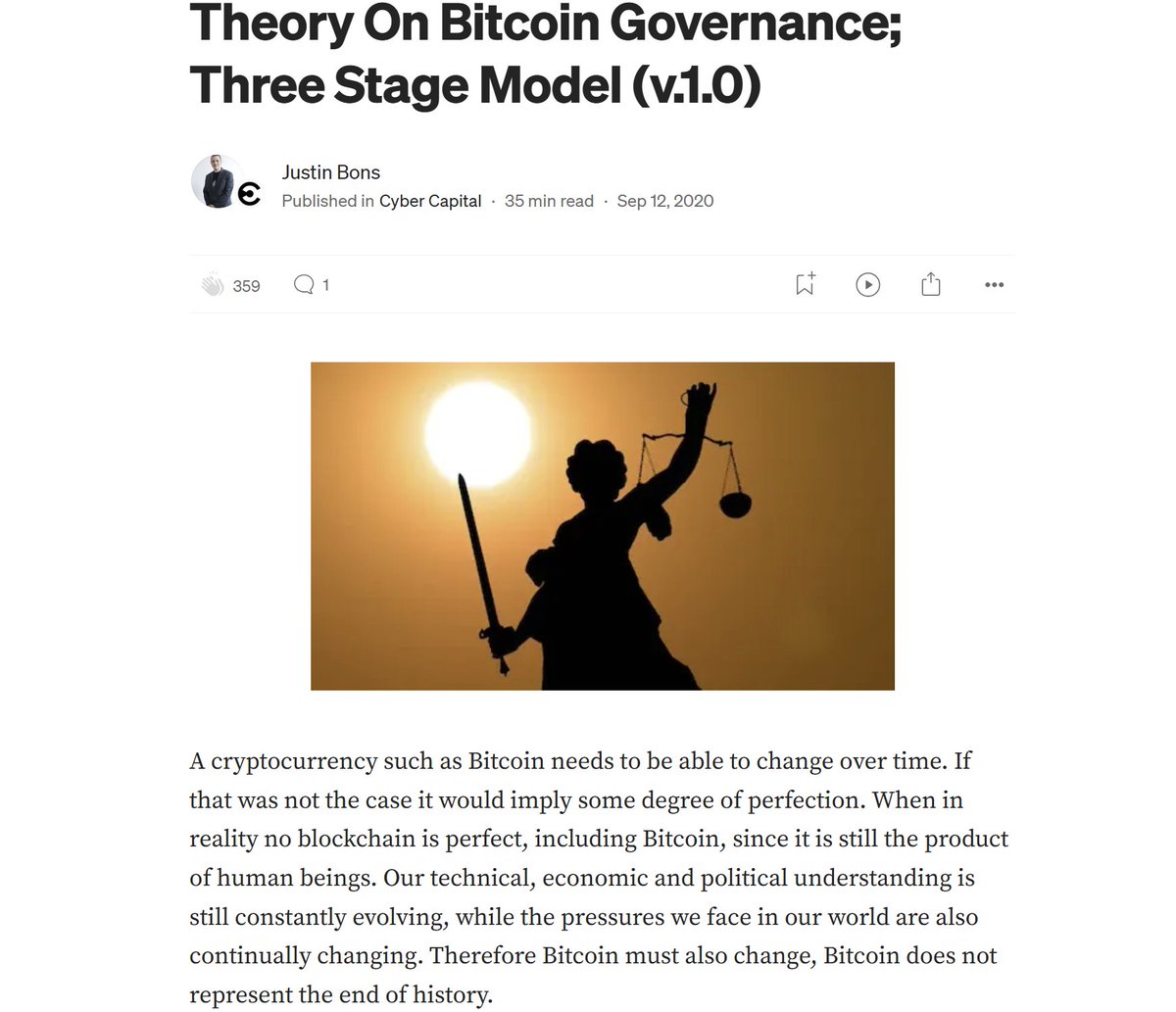
BTC DeFi is Nonsense
A critical examination of the trust assumptions and trade-offs behind Bitcoin DeFi projects.
Analyse lesen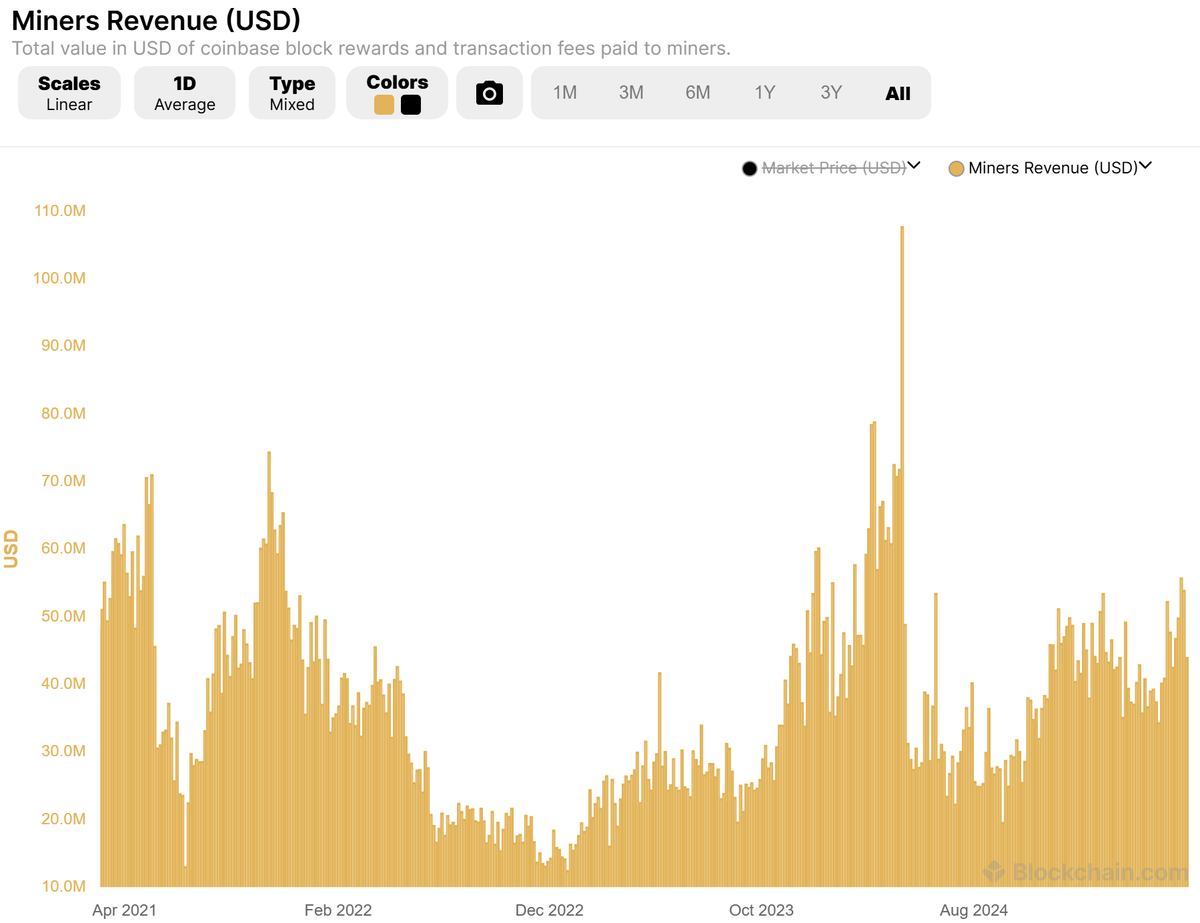
BTC’s security model is broken
The June 2025 argument on Bitcoin’s security budget, capacity and long-term incentives.
Analyse lesen
Response to BCH Miner Donation Plan
A historical case study of developer funding, miner voting and the risk of entrenching protocol-level power.
Analyse lesen
Collective Emergent Governance
Why individual responsibility, deliberate planning and political judgment still matter in decentralised governance.
Analyse lesen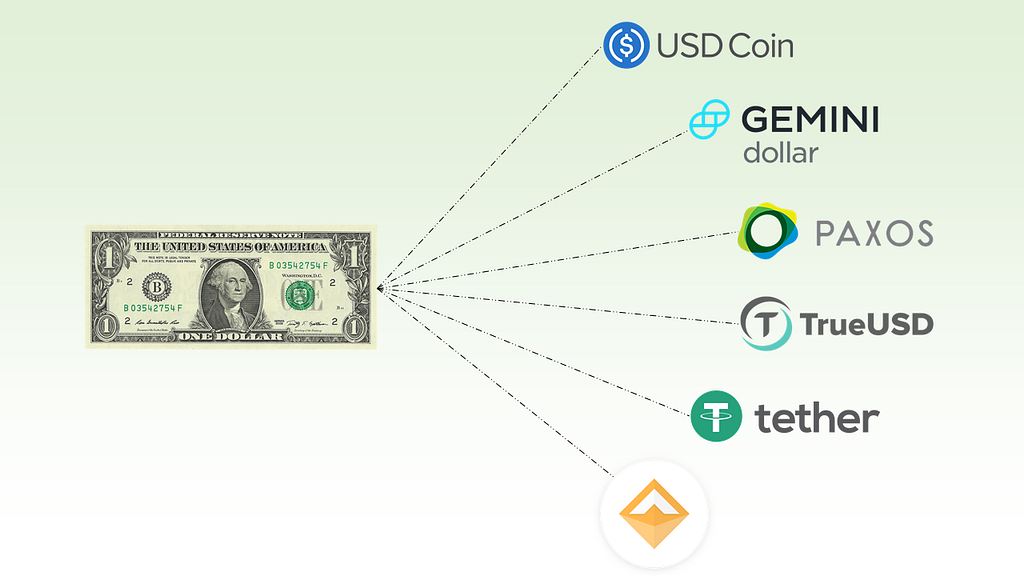
Putting Stables to the Test
A historical look at stablecoin price deviations during the May 2021 sell-off, showing why the design of a peg deserves close examination.
Analyse lesen
A reflection on 2022
A year-end reflection on the technology, governance and market events of 2022.
Analyse lesen
Systemic Security Flaws in L2 Modularity — Explained in 2.95 KB
An examination of rollup upgrade powers, emergency controls and withdrawal constraints, based on the systems described in May 2024.
Analyse lesen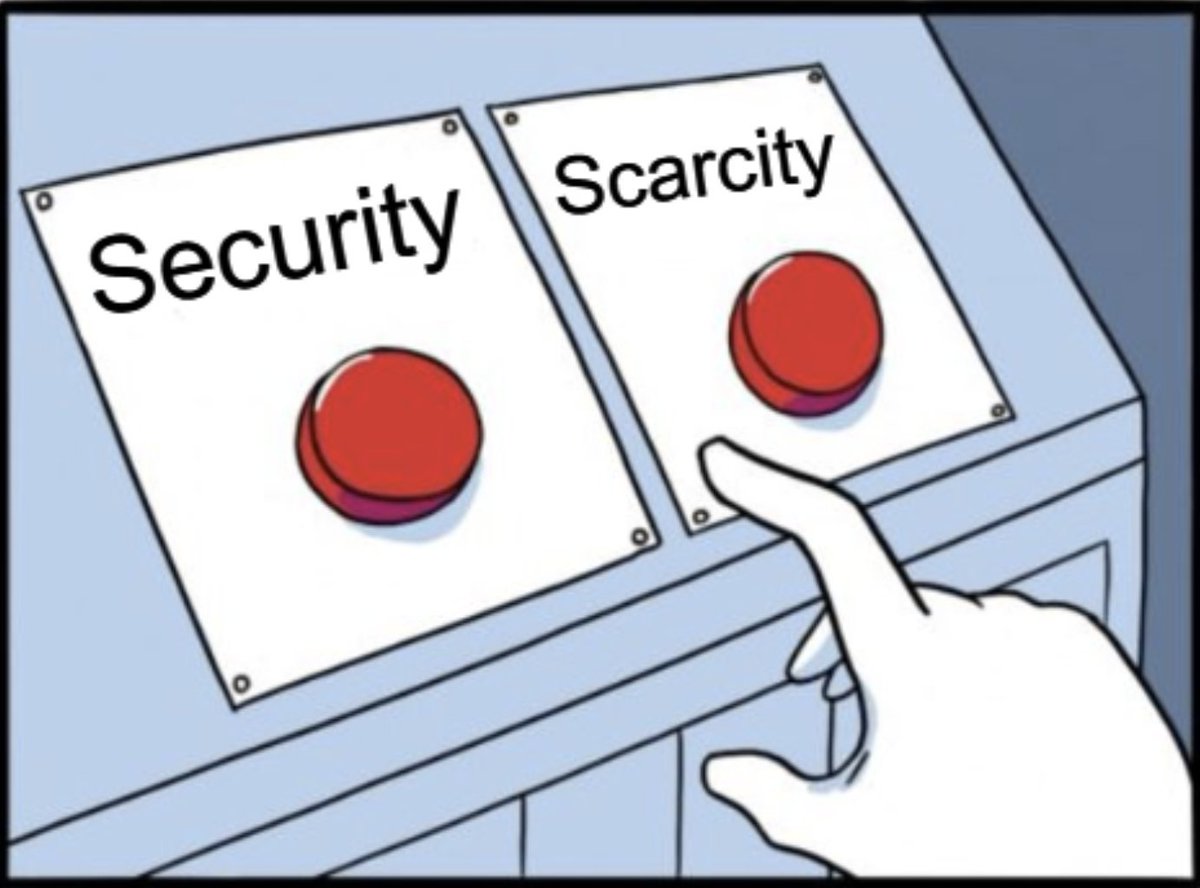
BTC went from freedom money to an elitist meme coin
The July 2025 argument on Bitcoin’s original purpose, utility and economic design.
Analyse lesen
Solana is destined to become the most decentralized blockchain
A comparison of validator economics, governance and scaling, arguing how network usage could reshape decentralisation.
Analyse lesen
Cardano: promises do not create capacity
A November 2025 assessment of Cardano's capacity, batching and fee rules, separating Hydra's role from the proposed Leios upgrade and the demands of competitive applications.
Analyse lesenBittensor: token subsidies are not customer demand
Justin's economic critique of Bittensor separates token-funded incentives from paying customers, then asks who captures subnet revenue and who bears the cost.
Analyse lesen
So long, Solana? The Rise of Blockchain's Parallel Universes
How parallel execution changes the way blockchains handle competing transactions.
Analyse lesen
The Custody Dilemma
Self-custody and professional custody involve different responsibilities and failure modes.
Analyse lesen
Bitcoin & Blockchains — What’s the problem?
A foundational discussion of digital scarcity, double spending and the role of trusted intermediaries in transferring value.
Analyse lesen
Theory On Bitcoin Governance; Three Stage Model
A three-stage model for understanding how power and governance evolve in Bitcoin.
Analyse lesen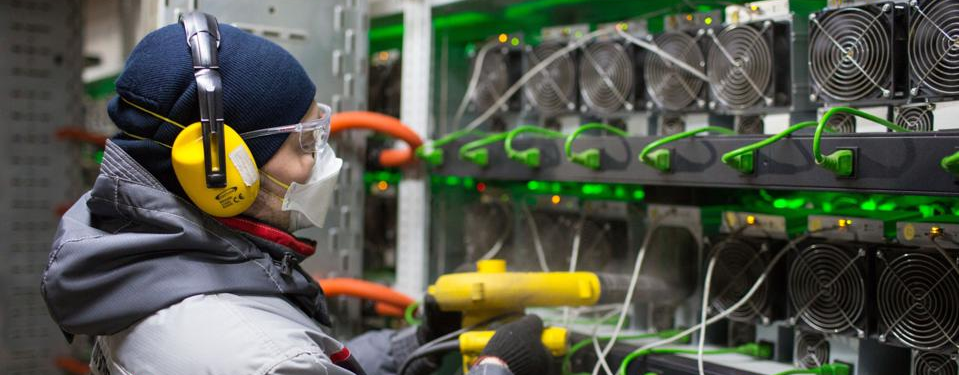
What happens to miners when all the Bitcoins run out?
How declining block subsidies affect miner incentives, transaction fees and the long-term security budget.
Analyse lesen
Why Proof-of-Stake is Superior to Proof-of-Work in All Cases
A detailed comparison of attack costs, validator incentives and the economic foundations of network security.
Analyse lesen
Worldcoin: the low-float token trap
A launch-era critique of Worldcoin's small circulating float, market-maker allocations and token utility, exploring how a headline valuation can conceal future supply pressure.
Analyse lesen
BTC is vulnerable to a bank run
Justin’s widely discussed analysis of Bitcoin transaction capacity, withdrawal queues and the risks of simultaneous exits.
Analyse lesen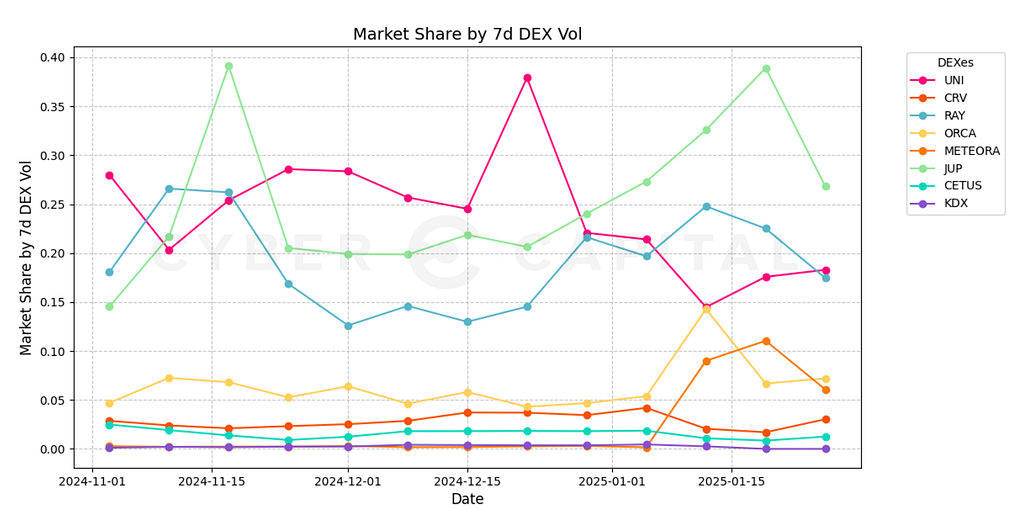
Strengthening Tides: The State of DEX Competition
A study of Solana’s competing decentralised exchanges, their liquidity and the route from trading activity to token value.
Analyse lesen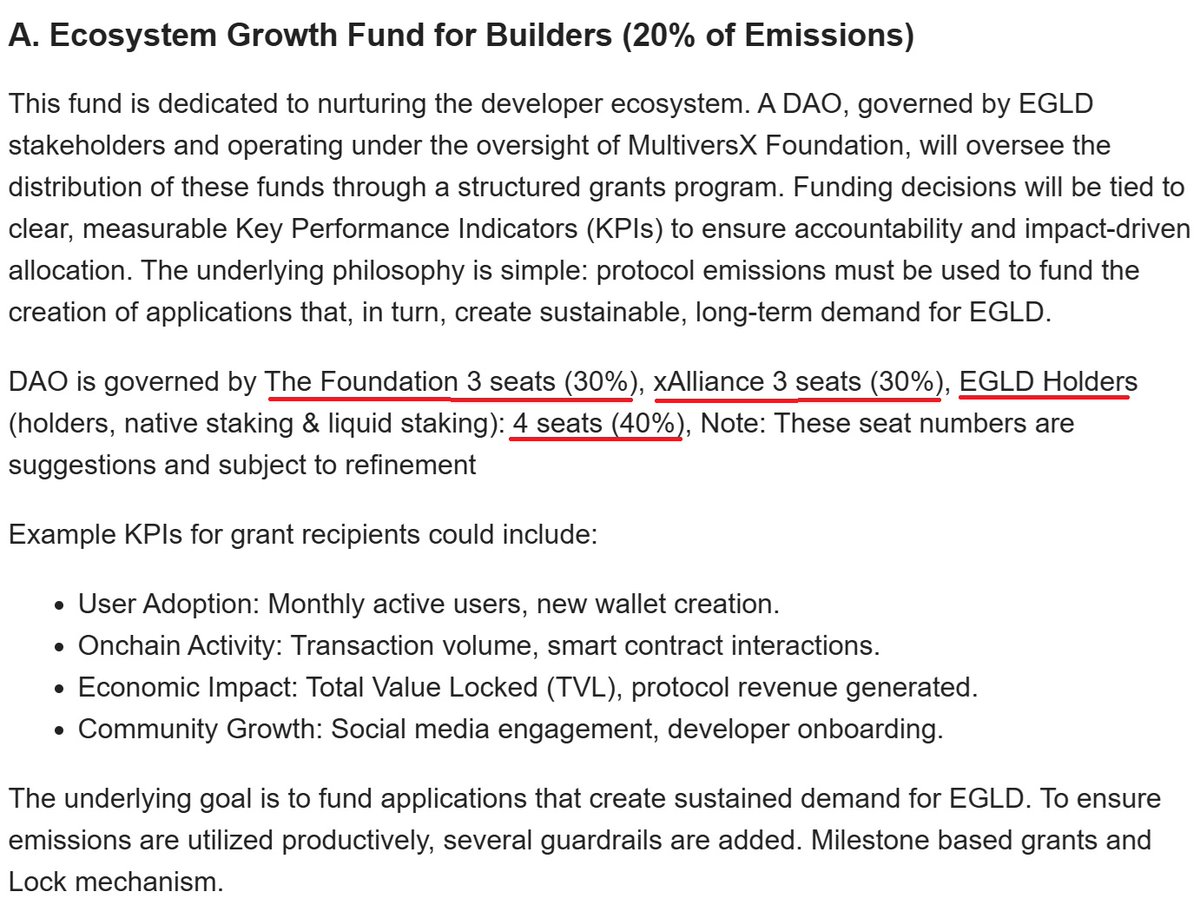
EGLD's fall from grace
An October 2025 critique of proposed changes to MultiversX’s supply and governance.
Analyse lesenBTC should not be taken seriously as an investment
The July 2026 version of Justin’s fourteen-part critique of Bitcoin as an investment.
Analyse lesen
A Solana Critique; Lies, Fraud & Dangerous Trade-Offs
The 2023 critique, preserved alongside the 2025 article explaining why Justin changed his view.
Analyse lesen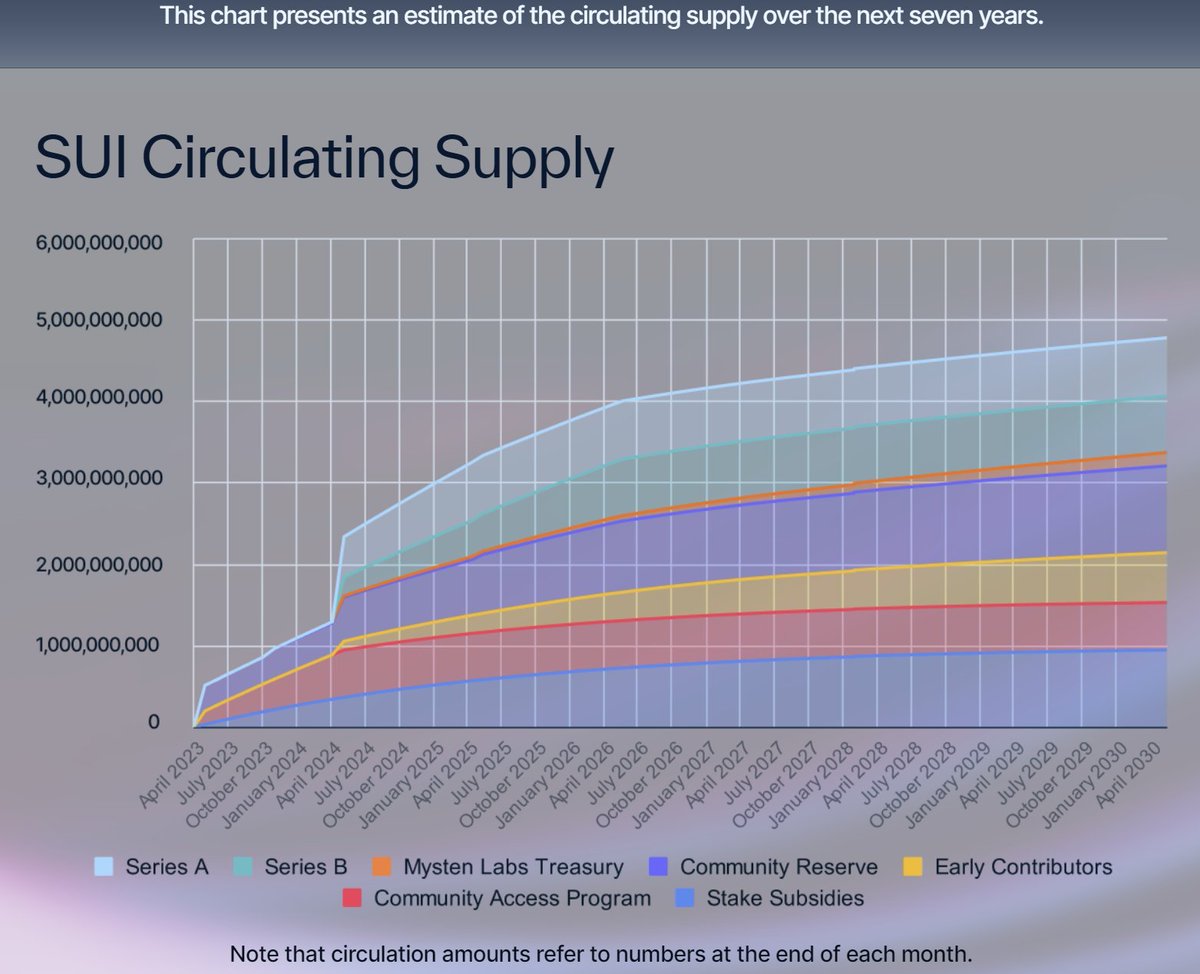
Sui: who controls the token supply?
A close examination of Sui's supply disclosures, staking concentration and foundation-controlled allocations, with proposals for making that power more accountable.
Analyse lesenICP: the security limits of individual subnets
A detailed response to Dominic Williams on subnet attack surfaces, operator independence and the difference between economic security and legal or reputational guarantees.
Analyse lesen
Six Principles of blockchain governance
Who can change a blockchain’s rules, and how is that power kept accountable?
Analyse lesen
Why I Support BIP101 (2015)
An original contribution to the 2015 Bitcoin block-size debate.
Analyse lesen
PoS: A Superior Alternative To PoW
A comparison of the economic, security and governance trade-offs in consensus design.
Analyse lesen
Proposer Builder Separation for Ethereum Explained
Why Ethereum researchers proposed separating block construction from block proposal, and what that changes about incentives and control.
Analyse lesen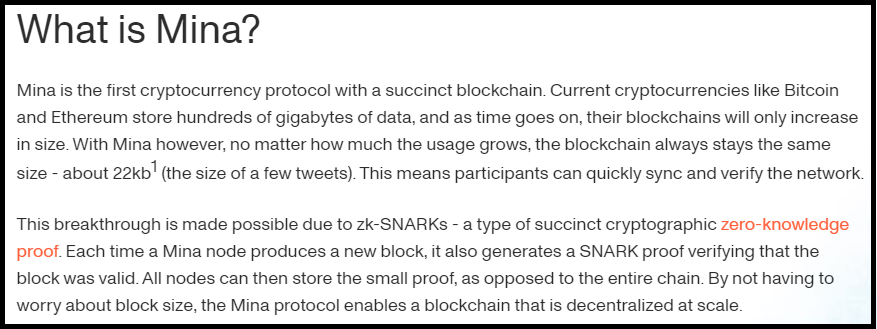
Is MINA’s blockchain really only 22kb — forever?
Examining the distinction between a compact cryptographic proof and the underlying blockchain data it verifies.
Analyse lesen
Why Cyber Capital applies fundamental analysis
The connection between technology, use cases, governance and token economics in Cyber Capital’s research process.
Analyse lesen
Arbitrum Explained — How do rollups work?
A step-by-step explanation of optimistic rollups, transaction processing and the relationship between Arbitrum and Ethereum.
Analyse lesen
Is traditional sharding necessary for a highly scalable L1 blockchain?
A comparison of sharding and alternative approaches to scaling a base-layer blockchain, using the designs available in 2022.
Analyse lesen
Why We’re True Believers in Cryptocurrency: Our Top 10 Reasons
Ten arguments for cryptocurrency’s social and economic potential, from financial sovereignty to accountable institutions.
Analyse lesen
ETH as an L2 for Solana — A Brief Thought Experiment
A thought experiment about rollups, bridges and the challenge of keeping two blockchain states in sync.
Analyse lesen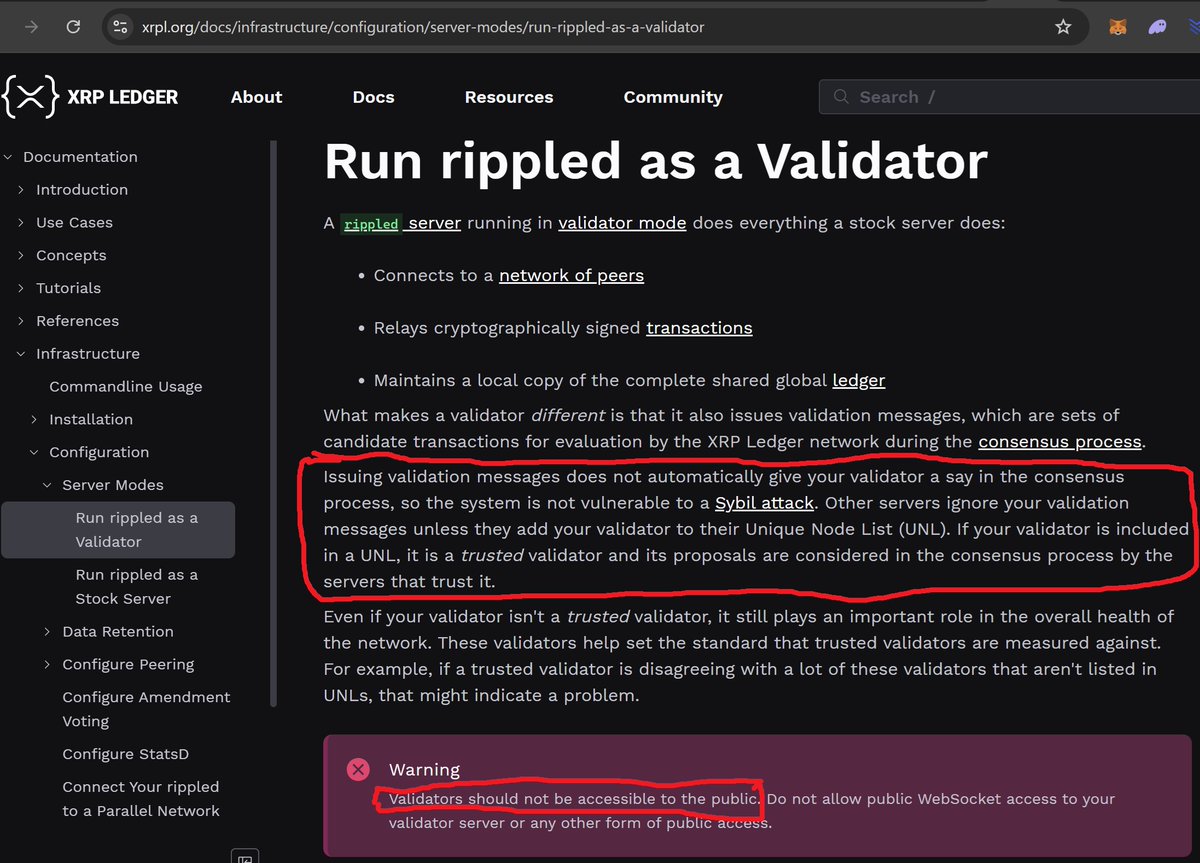
XRP: the trust behind the validator lists
A 25-part critique of XRP Ledger's trusted validator lists, overlap requirements and list publishers, examining where practical control can sit in a federated consensus system.
Analyse lesenCrypto treasury companies: leverage on leverage
How borrowing against a concentrated crypto balance sheet can amplify both buying and forced selling, and why a listed treasury company adds risks beyond owning the underlying token.
Analyse lesenEthereum's ZK-EVM: the cost of the roadmap
A January 2026 critique of Ethereum's proving roadmap: GPU requirements, proof-generation latency and the risk of concentrating work among a small set of builders.
Analyse lesenCanton: permissioned finance behind the crypto label
An examination of Canton's validator admission, application rewards and fee structure, challenging what institutional partnerships and reported asset totals actually demonstrate.
Analyse lesenHyperliquid: the trade-offs behind the speed
Justin weighs Hyperliquid's trading performance against validator concentration and code transparency, asking which decentralisation improvements must accompany its growth.
Analyse lesen
Crypto Value Investing
Justin Bons explains the value-investing method and the case for research across competing blockchain networks.
Analyse lesen
Sybil and Satoshi
An early Cyber Capital essay on Sybil resistance, network design and the incentives used to protect a permissionless system.
Analyse lesen
How to DYOR in Crypto
Practical first checks for a crypto research project: deployed technology, token distribution, public development and the people behind it.
Analyse lesen
Fourteen Reasons Not To Invest In BTC
The 2023 investment critique, covering capacity, security and economic incentives.
Analyse lesen
What is a zkSNARKed EVM and why is it important to the scalability of Ethereum?
How cryptographic proofs can verify Ethereum execution, and the engineering trade-offs involved in scaling that process.
Analyse lesenKeine passenden Artikel. Versuchen Sie es mit weniger Wörtern.
Eine Bibliothek mit
Gedächtnis.
Manche Argumente sind Teil einer älteren Debatte. Ihr Datum und ihr Kontext sollten sichtbar bleiben.
Unser Archiv kennzeichnet historische Beiträge. Wo das ursprüngliche Veröffentlichungsdatum nicht feststeht, ist die Website-Ausgabe entsprechend gekennzeichnet.
Den BIP101-Artikel von 2015 lesenFachbegriffe noch unbekannt?
Nutzen Sie das Glossar, um unbekannte Begriffe mit den Fragen zu verbinden, die ein Anleger stellen sollte.
Kryptowerte zu einer institutionellen Anlageklasse weiterentwickeln

Unsere Anlagethese zielt darauf ab, professionelles Kapital in das Krypto-Ökosystem zu bringen und Projekte mit echtem technologischem Nutzen und nachhaltigen wirtschaftlichen Modellen zu unterstützen. Durch die Anwendung institutioneller Anlagerahmen auf diese aufstrebende Anlageklasse tragen wir zu ihrer Reifung und Integration in das breitere Finanzsystem bei.
Justin Bons
Gründer & CIO
Wir glauben an langfristige Wertschöpfung
Während Blockchain-Technologie und Kryptowerte weiter auf dem Weg zu breiter Nutzung und Akzeptanz voranschreiten, ist der Bedarf an einem professionellen Manager größer denn je. Wir waren von Anfang an dabei, und wir werden es auch in Zukunft sein.
Lex Werkheim
CEO
Aktuelle Nachrichten
Die neuesten Krypto-Nachrichten und marktbewegende Schlagzeilen

Ressourcen
Häufig gestellte Fragen
Wie hoch ist die erforderliche Mindestinvestition?
Die Mindestinvestition beträgt €100.000. Nach der Ersteinlage beträgt der minimale Folgebetrag €5.000.
Gilt für neue Anleger eine Haltefrist (Lock-up-Periode)?
Jeder Anleger kann wöchentlich einen Rücknahmeantrag stellen, sofern dieser vor Mittwoch 11:00 Uhr (UTC) eingeht; die Ausführung erfolgt eine Woche später, am darauffolgenden Mittwoch.
In welchem Rechtsgebiet sind die Verwaltungsgesellschaft und der Investmentfonds registriert?
Cyber Capital BV ist bei der niederländischen Handelskammer (KVK) registriert, und unser Fonds ist bei der niederländischen Finanzmarktaufsicht (AFM) im Rahmen des „Light“-Regimes der AIFMD registriert.
Verpassen Sie nie unsere neuesten Einblicke!
Erhalten Sie hochwertige Inhalte rund um das Investieren in Kryptowerte.