Begrijp de argumenten.
Toets het bewijs.
Eigen onderzoek naar blockchainontwerp, governance, bewaring en de beleggingsvragen die deze oproepen.
Plan een gesprek
Neem contact op met ons investeringsteam om te bespreken hoe digitale activa een aanvulling kunnen vormen op uw portefeuillestrategie.
Begin met een vraag.
46 artikelen

So long, Solana? The Rise of Blockchain's Parallel Universes
How parallel execution changes the way blockchains handle competing transactions.
Lees het onderzoek
The Custody Dilemma
Self-custody and professional custody involve different responsibilities and failure modes.
Lees het onderzoek
Six Principles of blockchain governance
Who can change a blockchain’s rules, and how is that power kept accountable?
Lees het onderzoek
Why I Support BIP101 (2015)
An original contribution to the 2015 Bitcoin block-size debate.
Lees het onderzoek
PoS: A Superior Alternative To PoW
A comparison of the economic, security and governance trade-offs in consensus design.
Lees het onderzoek
Bitcoin & Blockchains — What’s the problem?
A foundational discussion of digital scarcity, double spending and the role of trusted intermediaries in transferring value.
Lees het onderzoek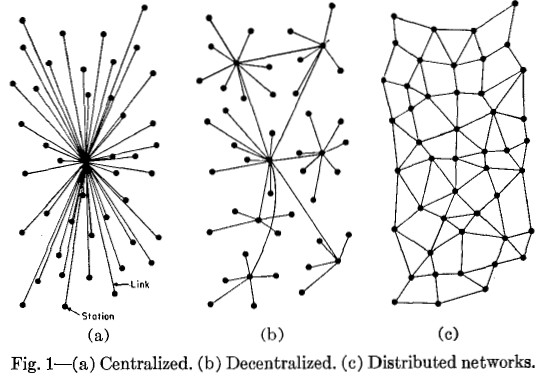
Sybil and Satoshi
An early Cyber Capital essay on Sybil resistance, network design and the incentives used to protect a permissionless system.
Lees het onderzoek
Response to BCH Miner Donation Plan
A historical case study of developer funding, miner voting and the risk of entrenching protocol-level power.
Lees het onderzoek
Collective Emergent Governance
Why individual responsibility, deliberate planning and political judgment still matter in decentralised governance.
Lees het onderzoek
Theory On Bitcoin Governance; Three Stage Model
A three-stage model for understanding how power and governance evolve in Bitcoin.
Lees het onderzoek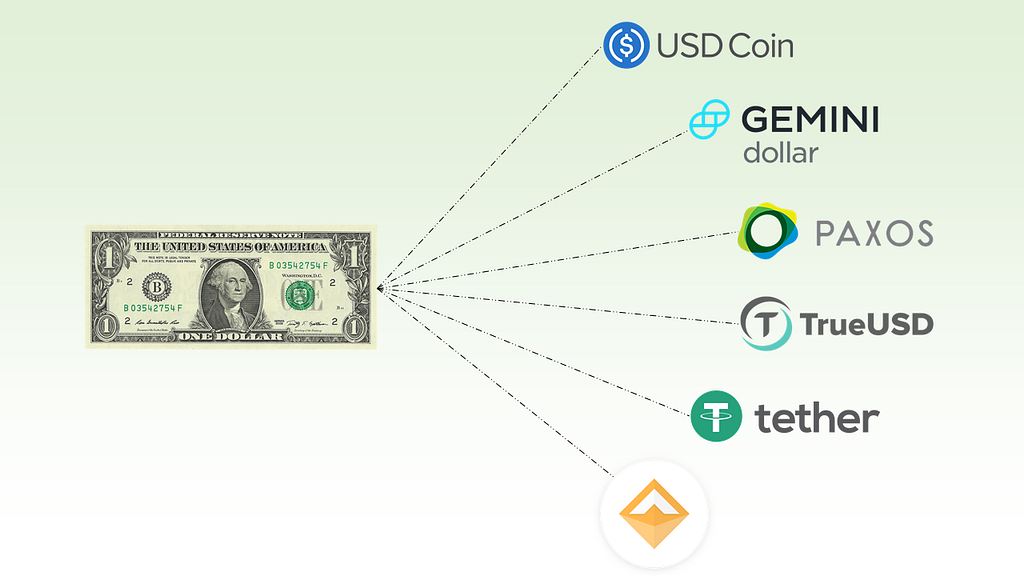
Putting Stables to the Test
A historical look at stablecoin price deviations during the May 2021 sell-off, showing why the design of a peg deserves close examination.
Lees het onderzoek
How to DYOR in Crypto
Practical first checks for a crypto research project: deployed technology, token distribution, public development and the people behind it.
Lees het onderzoek
Proposer Builder Separation for Ethereum Explained
Why Ethereum researchers proposed separating block construction from block proposal, and what that changes about incentives and control.
Lees het onderzoek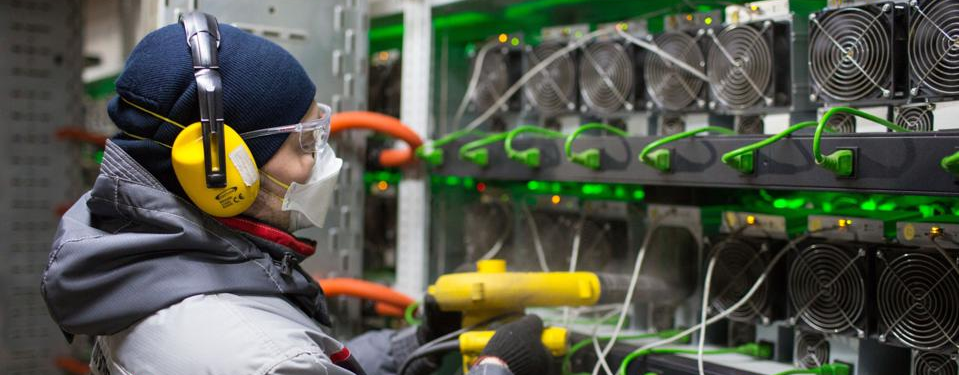
What happens to miners when all the Bitcoins run out?
How declining block subsidies affect miner incentives, transaction fees and the long-term security budget.
Lees het onderzoek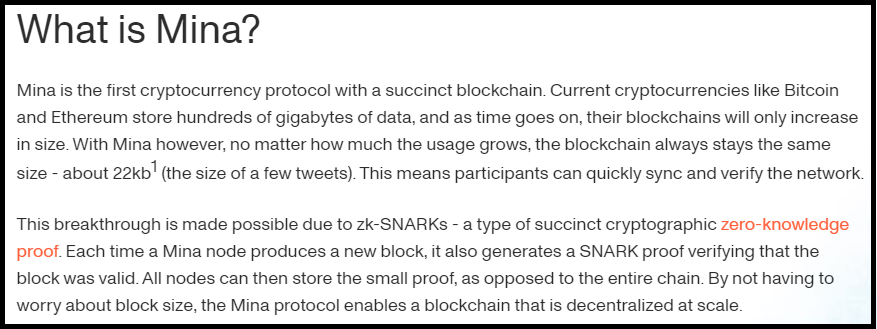
Is MINA’s blockchain really only 22kb — forever?
Examining the distinction between a compact cryptographic proof and the underlying blockchain data it verifies.
Lees het onderzoek
Why Proof-of-Stake is Superior to Proof-of-Work in All Cases
A detailed comparison of attack costs, validator incentives and the economic foundations of network security.
Lees het onderzoek
Why Cyber Capital applies fundamental analysis
The connection between technology, use cases, governance and token economics in Cyber Capital’s research process.
Lees het onderzoek
Arbitrum Explained — How do rollups work?
A step-by-step explanation of optimistic rollups, transaction processing and the relationship between Arbitrum and Ethereum.
Lees het onderzoek
Is traditional sharding necessary for a highly scalable L1 blockchain?
A comparison of sharding and alternative approaches to scaling a base-layer blockchain, using the designs available in 2022.
Lees het onderzoek
A reflection on 2022
A year-end reflection on the technology, governance and market events of 2022.
Lees het onderzoek
Why We’re True Believers in Cryptocurrency: Our Top 10 Reasons
Ten arguments for cryptocurrency’s social and economic potential, from financial sovereignty to accountable institutions.
Lees het onderzoek
A Solana Critique; Lies, Fraud & Dangerous Trade-Offs
The 2023 critique, preserved alongside the 2025 article explaining why Justin changed his view.
Lees het onderzoek
Fourteen Reasons Not To Invest In BTC
The 2023 investment critique, covering capacity, security and economic incentives.
Lees het onderzoek
What is a zkSNARKed EVM and why is it important to the scalability of Ethereum?
How cryptographic proofs can verify Ethereum execution, and the engineering trade-offs involved in scaling that process.
Lees het onderzoek
ETH as an L2 for Solana — A Brief Thought Experiment
A thought experiment about rollups, bridges and the challenge of keeping two blockchain states in sync.
Lees het onderzoek
Worldcoin: the low-float token trap
A launch-era critique of Worldcoin's small circulating float, market-maker allocations and token utility, exploring how a headline valuation can conceal future supply pressure.
Lees het onderzoek
Systemic Security Flaws in L2 Modularity — Explained in 2.95 KB
An examination of rollup upgrade powers, emergency controls and withdrawal constraints, based on the systems described in May 2024.
Lees het onderzoek
BTC is vulnerable to a bank run
Justin’s widely discussed analysis of Bitcoin transaction capacity, withdrawal queues and the risks of simultaneous exits.
Lees het onderzoek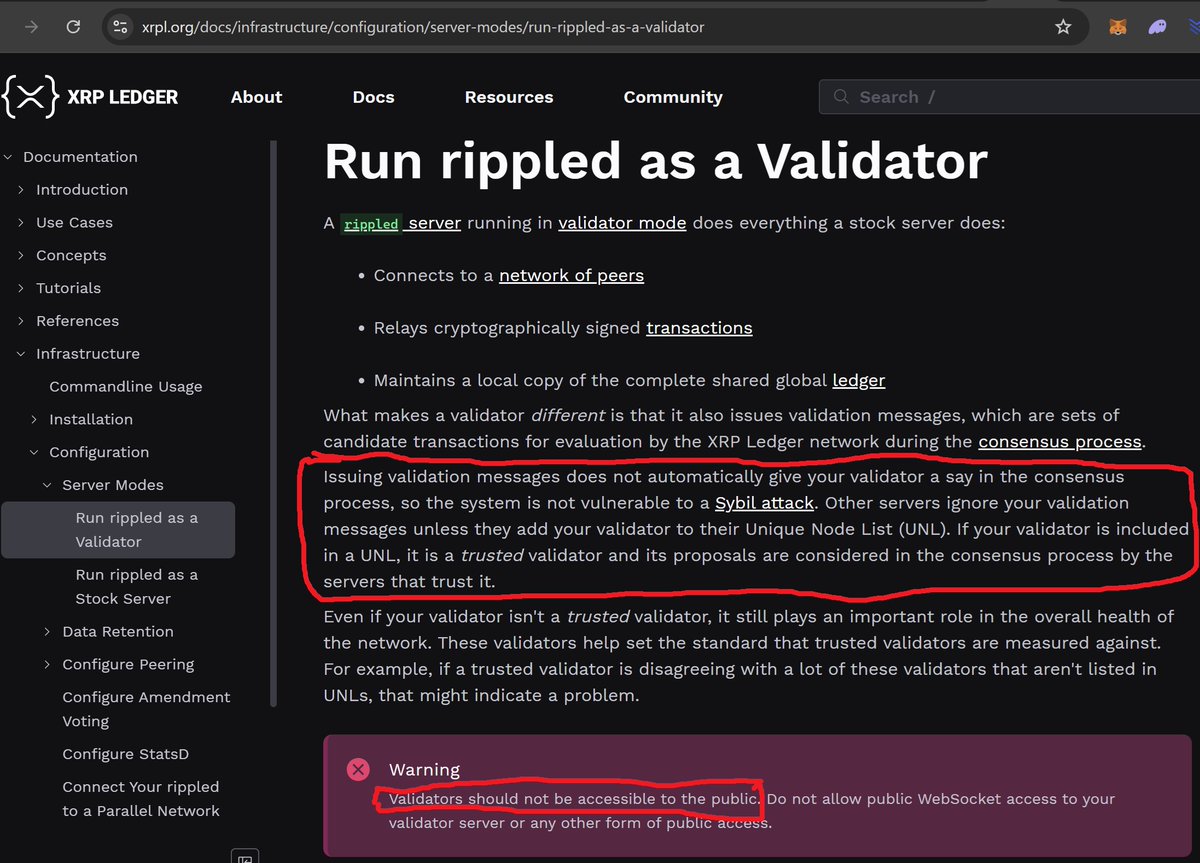
XRP: the trust behind the validator lists
A 25-part critique of XRP Ledger's trusted validator lists, overlap requirements and list publishers, examining where practical control can sit in a federated consensus system.
Lees het onderzoek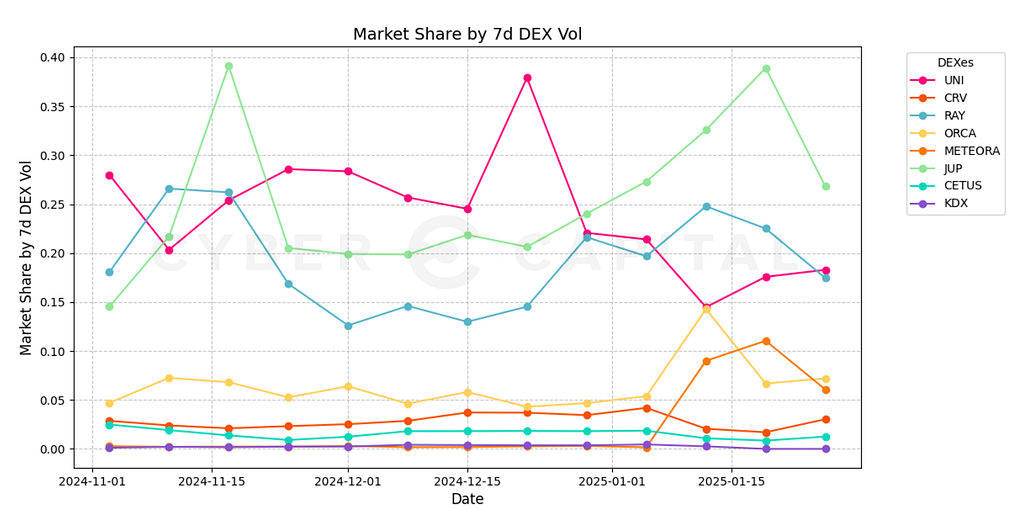
Strengthening Tides: The State of DEX Competition
A study of Solana’s competing decentralised exchanges, their liquidity and the route from trading activity to token value.
Lees het onderzoek
How I Learned to Stop Worrying and Love Solana
A reassessment of Solana: what changed, and why the investment thesis changed with it.
Lees het onderzoek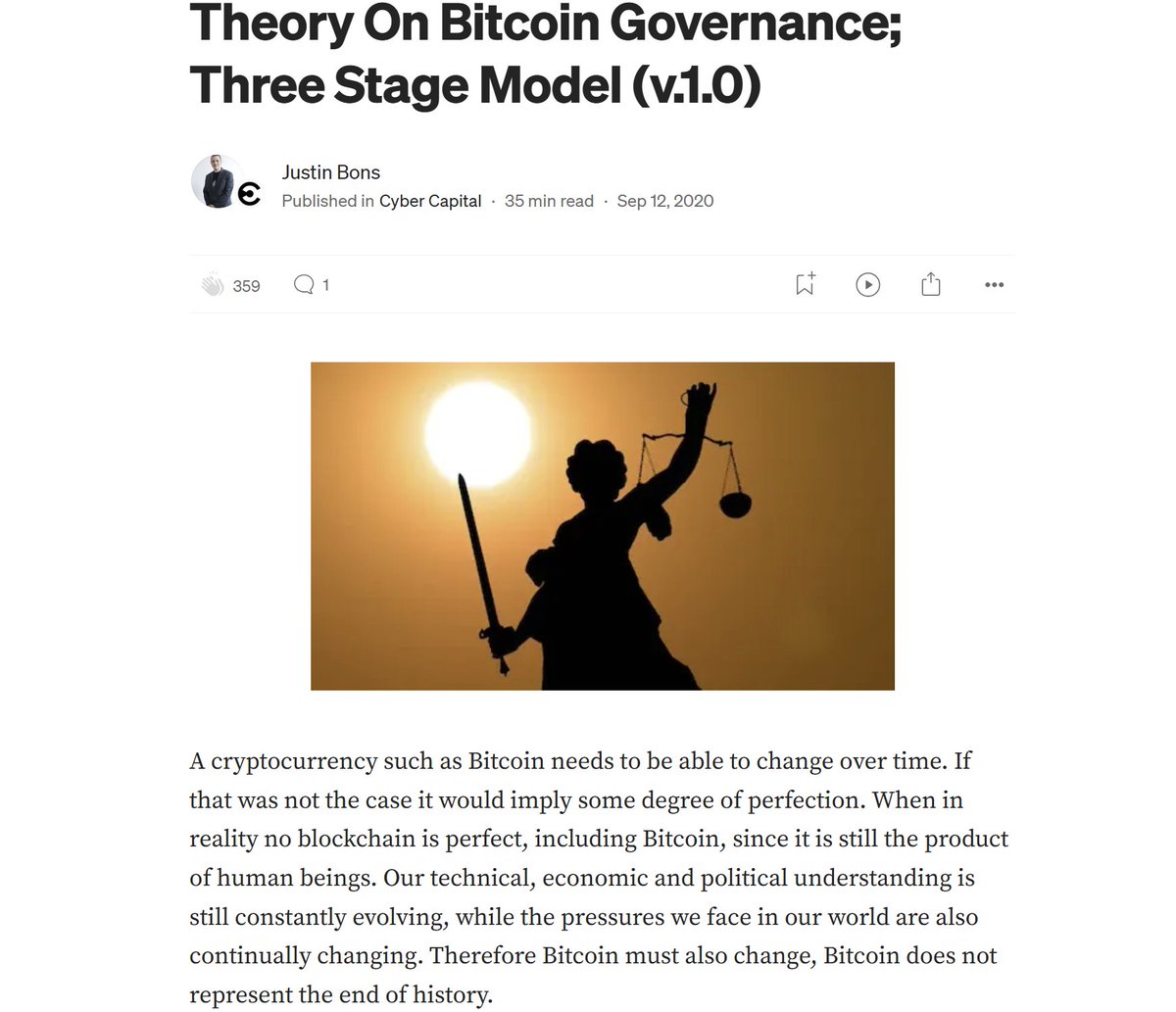
BTC DeFi is Nonsense
A critical examination of the trust assumptions and trade-offs behind Bitcoin DeFi projects.
Lees het onderzoek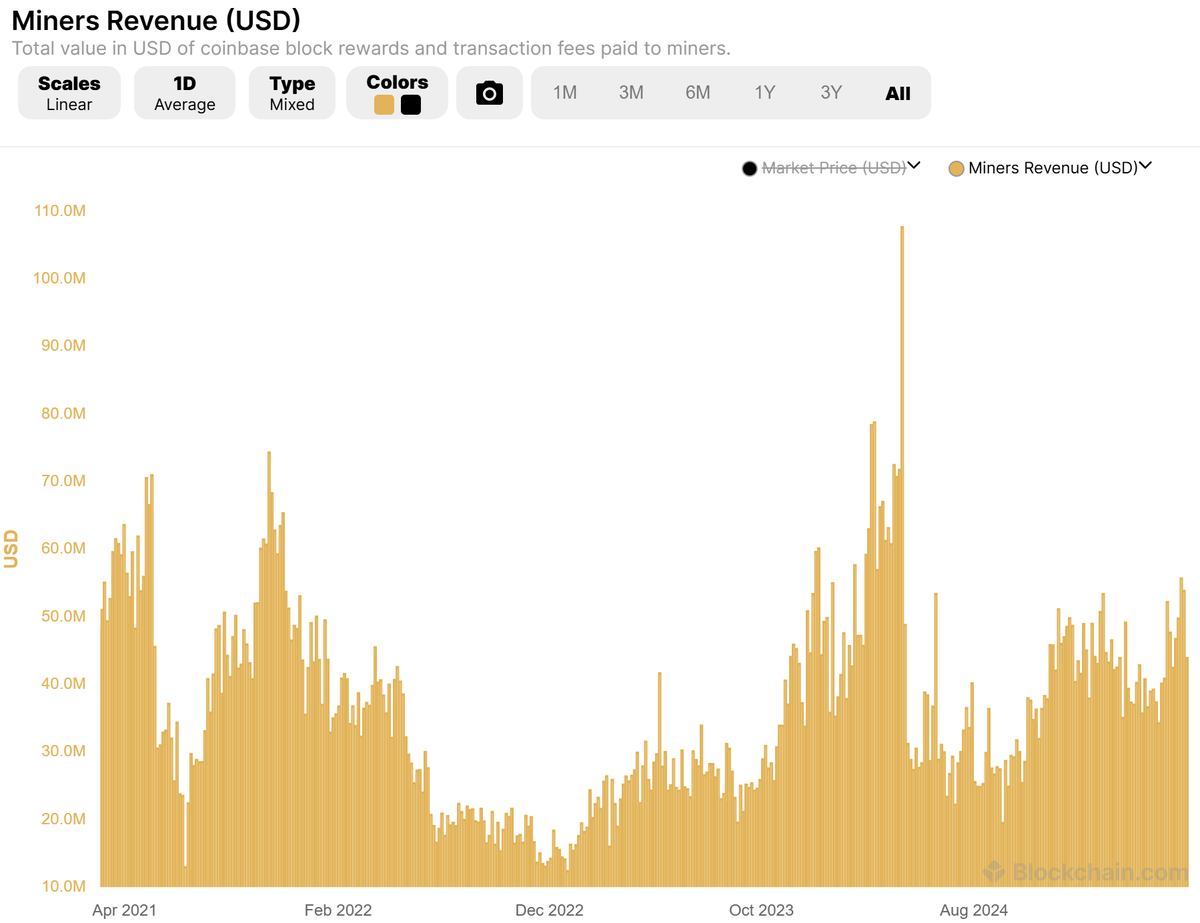
BTC’s security model is broken
The June 2025 argument on Bitcoin’s security budget, capacity and long-term incentives.
Lees het onderzoek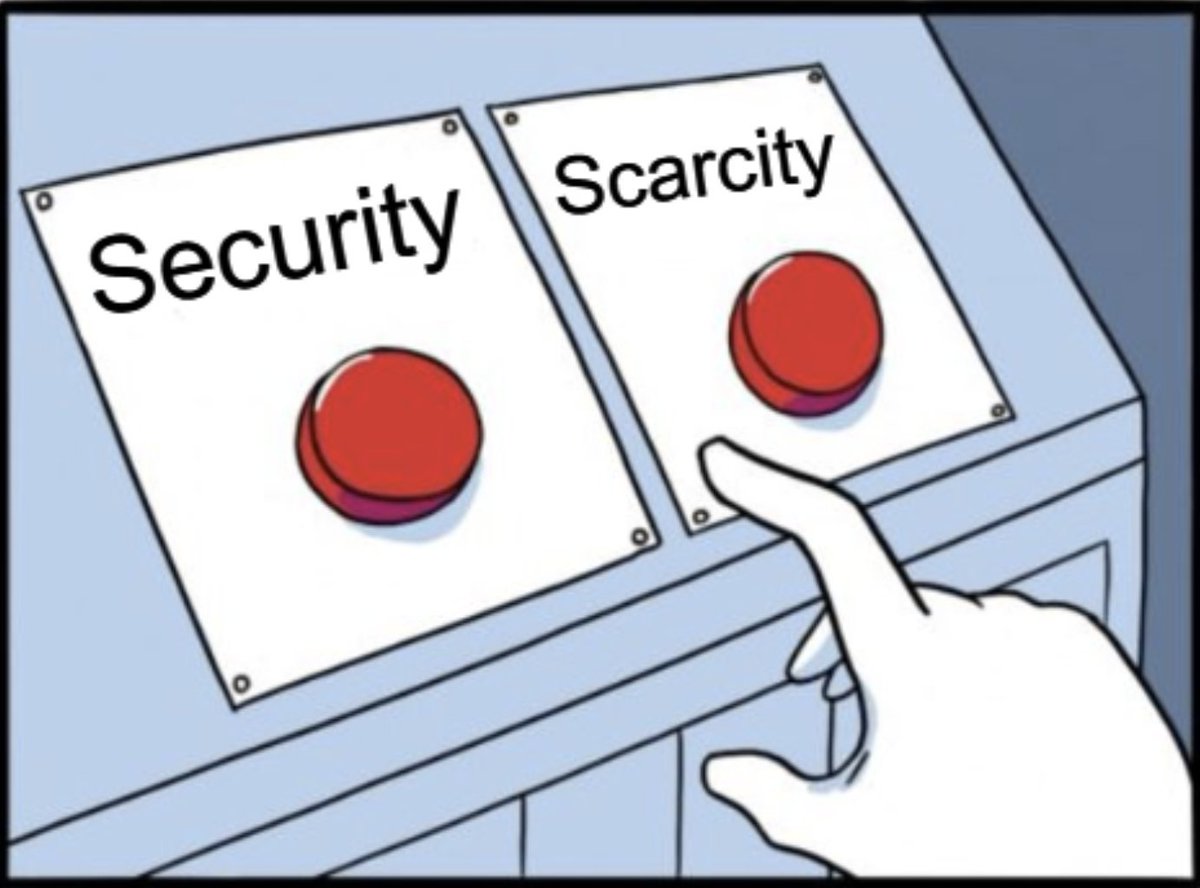
BTC went from freedom money to an elitist meme coin
The July 2025 argument on Bitcoin’s original purpose, utility and economic design.
Lees het onderzoek
Crypto treasury companies: leverage on leverage
How borrowing against a concentrated crypto balance sheet can amplify both buying and forced selling, and why a listed treasury company adds risks beyond owning the underlying token.
Lees het onderzoek
Solana is destined to become the most decentralized blockchain
A comparison of validator economics, governance and scaling, arguing how network usage could reshape decentralisation.
Lees het onderzoek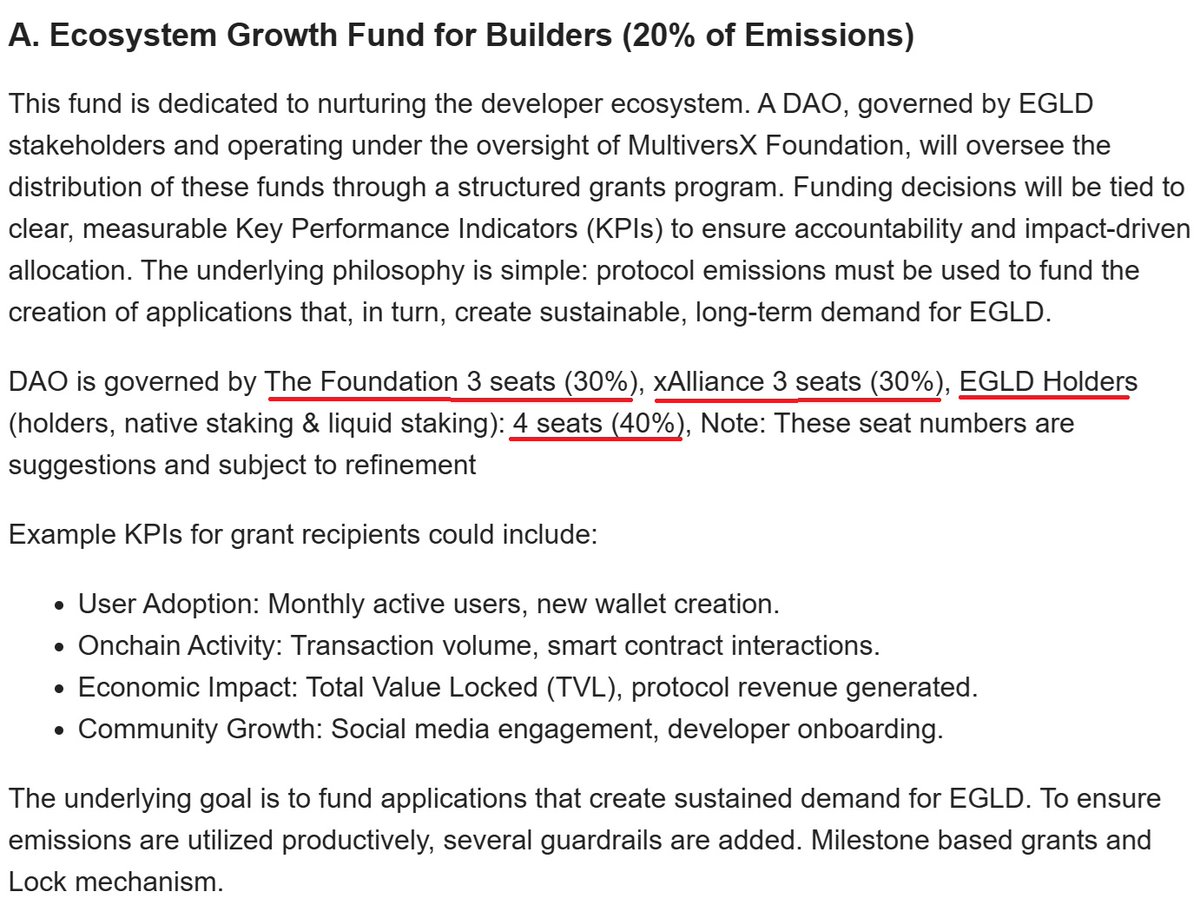
EGLD's fall from grace
An October 2025 critique of proposed changes to MultiversX’s supply and governance.
Lees het onderzoekCardano: promises do not create capacity
A November 2025 assessment of Cardano's capacity, batching and fee rules, separating Hydra's role from the proposed Leios upgrade and the demands of competitive applications.
Lees het onderzoekEthereum's ZK-EVM: the cost of the roadmap
A January 2026 critique of Ethereum's proving roadmap: GPU requirements, proof-generation latency and the risk of concentrating work among a small set of builders.
Lees het onderzoekBittensor: token subsidies are not customer demand
Justin's economic critique of Bittensor separates token-funded incentives from paying customers, then asks who captures subnet revenue and who bears the cost.
Lees het onderzoekCanton: permissioned finance behind the crypto label
An examination of Canton's validator admission, application rewards and fee structure, challenging what institutional partnerships and reported asset totals actually demonstrate.
Lees het onderzoekHyperliquid: the trade-offs behind the speed
Justin weighs Hyperliquid's trading performance against validator concentration and code transparency, asking which decentralisation improvements must accompany its growth.
Lees het onderzoek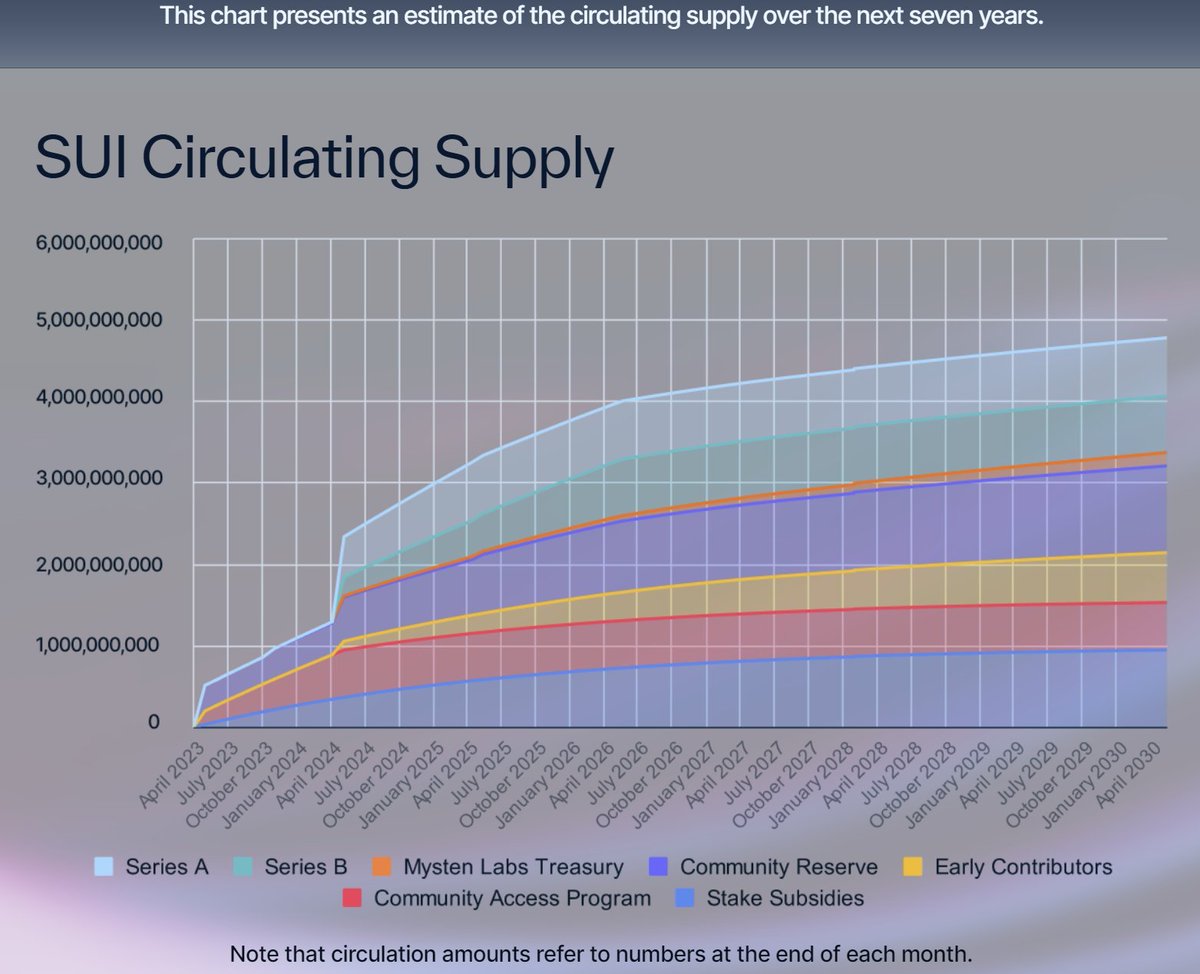
Sui: who controls the token supply?
A close examination of Sui's supply disclosures, staking concentration and foundation-controlled allocations, with proposals for making that power more accountable.
Lees het onderzoekICP: the security limits of individual subnets
A detailed response to Dominic Williams on subnet attack surfaces, operator independence and the difference between economic security and legal or reputational guarantees.
Lees het onderzoekBTC should not be taken seriously as an investment
The July 2026 version of Justin’s fourteen-part critique of Bitcoin as an investment.
Lees het onderzoek
Crypto Value Investing
Justin Bons explains the value-investing method and the case for research across competing blockchain networks.
Lees het onderzoekGeen passende artikelen. Probeer minder woorden.
Een bibliotheek met
een geheugen.
Sommige argumenten maken deel uit van een ouder debat. Hun datum en context moeten zichtbaar blijven.
Ons archief markeert historische stukken. Waar de oorspronkelijke publicatiedatum niet vaststaat, wordt de website-editie als zodanig aangeduid.
Lees het BIP101-artikel uit 2015Onbekend met de terminologie?
Gebruik de woordenlijst om onbekende woorden te koppelen aan de vragen die een belegger moet stellen.
Cryptovaluta laten doorgroeien tot een institutionele activaklasse

Onze beleggingsthese is erop gericht professioneel kapitaal naar het crypto-ecosysteem te brengen, ter ondersteuning van projecten met werkelijke technologische toepassing en duurzame economische modellen. Door institutionele beleggingskaders toe te passen op deze opkomende activaklasse, dragen wij bij aan de volwassenwording en integratie ervan in het bredere financiële systeem.
Justin Bons
Oprichter & CIO
Wij geloven in langetermijnwaardecreatie
Nu blockchaintechnologie en cryptovaluta hun weg naar mainstream gebruik en acceptatie vervolgen, is de behoefte aan een professionele beheerder groter dan ooit. Wij waren er vanaf het begin bij, en wij zullen er ook in de toekomst zijn.
Lex Werkheim
CEO
Laatste nieuws
Het laatste cryptonieuws en marktbewegende koppen

Bronnen
Veelgestelde vragen
Wat is de minimaal vereiste investering?
De minimale investering bedraagt €100.000. Na de eerste investering is het minimale vervolgbedrag €5.000.
Geldt er een lock-upperiode voor nieuwe beleggers?
Elke belegger kan wekelijks een verzoek tot terugbetaling indienen, zolang het verzoek vóór woensdag 11:00 uur (UTC) wordt ontvangen; de uitvoering vindt een week later plaats, op de eerstvolgende woensdag.
In welk rechtsgebied zijn de beheeronderneming en het beleggingsfonds geregistreerd?
Cyber Capital BV is geregistreerd bij de Nederlandse Kamer van Koophandel (KVK), en ons fonds is geregistreerd bij de Autoriteit Financiële Markten (AFM) onder het ‘light’-regime van de AIFMD.
Mis nooit onze laatste inzichten!
Ontvang hoogwaardige content over de wereld van beleggen in cryptovaluta.